
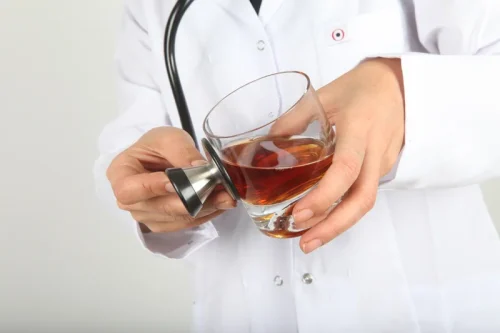
She added that employers should check state and local laws on workplace drug and alcohol testing. Peer pressure and societal expectations are pivotal in shaping drinking behaviors. In many cultures, consuming alcohol post-work is seen as a rite of passage or a means to forge social connections. This is particularly evident among young adults and college students, where the desire to integrate into a social group can lead to excessive drinking patterns. In contrast, regions like London have a historical tradition of post-5 pm drinking, deeply ingrained in the city’s social landscape, highlighting the evolution and significance of this practice. More importantly, keep in mind that working out while regularly consuming alcohol can do more harm than good.

Stress After Work
The tradition of after-work drinking is a multifaceted social phenomenon with deep historical roots. From its origins in religious ceremonies and economic transactions to its role in modern workplace culture, alcohol consumption has been a significant part of human societies. Some employers, however, opt for a zero-tolerance policy under these circumstances and immediately suspend and then terminate the employee. Because using, selling, or possessing illegal drugs is a crime, many employers immediately terminate employees who engage in this type of behavior at work. However, relying on alcohol as a coping mechanism can lead to an unhealthy dependence and hinder the development of effective stress management techniques.
Opioid Detox Centers in Colorado

A recent study of full-time workers 18 and above found that 9.3% of this population met the criteria for an alcohol use disorder. Most of these individuals met the criteria for a mild alcohol use disorder, with only 1.2% of full-time workers having a severe alcohol use disorder. Believe it or not, there are many non-alcoholic drinks that can mark the end of the day.
- Addiction Therapy London offers a supportive space to explore healthier coping mechanisms and strategies tailored to individual needs, ensuring that socializing remains enjoyable without compromising one’s well-being.
- The Recovery Village Cherry Hill at Cooper offers comprehensive addiction treatment for drug and alcohol addictions and co-occurring mental health conditions.
- This means they may continue to drink, even if it interferes with their performance and functioning at work.
- Research suggests that dehydration from alcohol consumption severely reduces endurance, muscle strength, and overall performance immediately after being intoxicated.
- It is a pattern that may start with after-work drinks but can escalate to more frequent and higher quantities of alcohol consumption.
Physical Health Risks of Regular After-Work Drinking

When drinking is deeply embedded in a company’s culture, it can become a crutch and a substitute for the very kind of connection that managers hope to foster when they organize happy hours. Carmen Bush, an employee at a tech company in the Bay Area, said her company’s weekly “TGIF” party starts at 4 p.m. “My co-workers would grab six bottles and stake out a table and we would all just hunker down and start pounding it,” she says. Getting help for alcoholism at The Recovery Village Columbus can greatly improve the chances of overcoming alcohol addiction. The center’s team of professionals works closely with each patient to create and continuously adjust treatment plans that ensure long-term success. The Recovery Village Columbus offers several treatment options, including medical detox, inpatient rehab, and more, to provide you with personalized care at our Joint Commission-accredited facility.
In the workplace, drinking has often been seen as a means of fostering camaraderie, boosting morale and relieving stress. However, contemporary attitudes are shifting, with increased awareness of health, safety and appropriate behavior leading to a decline in work-related drinking culture. While alcohol and exercise don’t mix well, exercise can play a valuable role in reducing alcohol dependence and preventing unhealthy drinking habits. It may help curb cravings and provide short-term relief from the urge to drink. While alcohol can be a great social lubricant, helping you feel more at ease in social situations, it can be detrimental when it comes to physical skills and performance. Even 24 hours after moderate alcohol intake, it alcoholism symptoms can impair cognitive function, coordination, and reaction time, which increases the risk of injury during physical activities.

After-work drinking culture has traditionally been a staple of certain professional environments, serving as drinking after work a means of socializing, networking, and unwinding after a long day. However, recent trends indicate a shift in attitude towards this practice, with a growing emphasis on health and the impact of alcohol on productivity and workplace relationships. The Recovery Village Cherry Hill at Cooper provides a full continuum of care, from medical detox and inpatient rehab to aftercare. We are here to help you and those you love recover from addiction and begin a healthier, alcohol-free future.

This lack of quality rest can lead to daytime drowsiness, decreased productivity, and an increased risk of accidents, both at work and in other areas of your life. Over time, consistent disruption of sleep can contribute to the development of chronic sleep disorders such as insomnia or sleep apnea. Drinking or using drugs at work can cost you your job, but it doesn’t stop people from doing it.
Exploring the relationship between alcohol use and mental health disorders reveals a complex interaction where one can significantly impact the other. Studies indicate that individuals with alcohol use disorder (AUD) frequently experience co-occurring mental health conditions such as depression and anxiety. This suggests not only a co-occurrence but also a shared underlying vulnerability involving genetic factors and neural circuits. After-work drinking is a common social practice that, while seemingly harmless, can escalate into health risks and dependence. Effective management strategies are essential for maintaining a healthy balance between social life and well-being. Notably, individuals with a family history of alcoholism should exercise increased caution.