
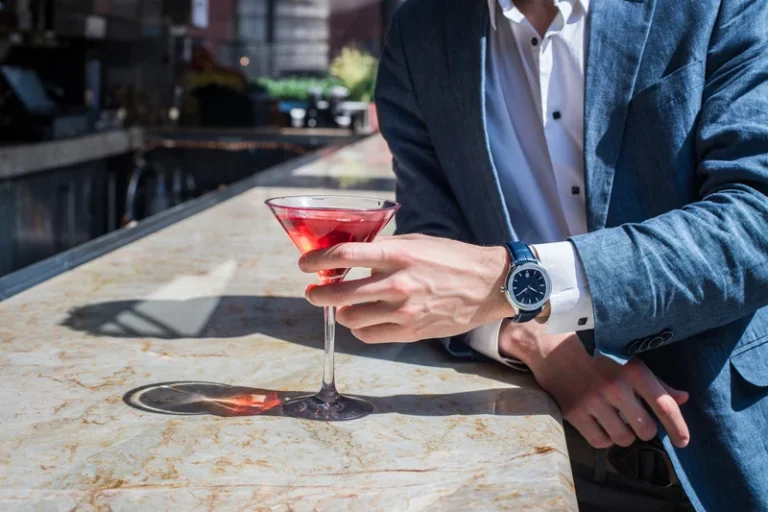
The avoidance common in the socially anxious may be initially overcome through alcohol, but requires repeated doses if an individual wants to re-engage in the future. Narrowing from a societal view to an individual one, my clinical experience suggests the triggers for drinking are varied. Negative emotions are certainly on this list, such as feeling nervous attending a social event, particularly after the mandated social withdrawal of the pandemic.
Multiple regression analyses
Mattison rightly says that alcohol should be “a decorative garnish to the feast of life, rather than a, or the, central component of the meal” (p. 125). If it is more than this for us, then we should think about what needs to be changed so that alcohol has its proper place in our lives. After a mouse’s equivalent of a weekend bender, as they withdraw, the cerebellum adjusts to alcohol’s inhibitory effects.
Therapy Dogs Are Great—But How Do They Feel About Their Jobs?
Men also reported that both coping and social motives for drinking were Halfway house more important to them than did women. In the second preliminary step, the interactions between each of these three sociodemographic factors and each motive for drinking alcohol (six interaction terms) were entered as a block of predictor variables. This determined if motives for drinking interacted with demographic factors in a consistent way.
An interactional model of alcohol consumption
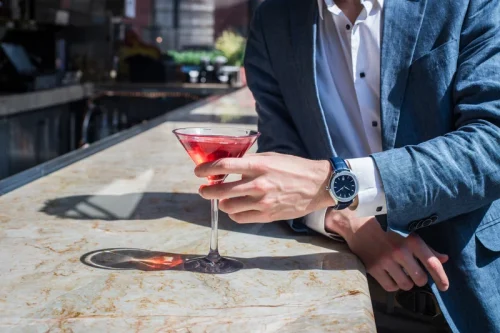
But like all areas of life, it is worth thinking more deeply about drinking and why we do it. Try to think of the positive and negative thoughts you have as similar to receiving a text message. We don’t always have control over whether the message we receive is good or bad, but we do have complete control over whether we choose to respond to it or not. This will help to show you that you have control over your desire thinking – and therefore your drinking choices. Using data from 69 studies (12,394 people in total) in the US, Canada, France and Australia, all of which employed surveys to assess mood and drinking levels, the researchers found no evidence that people drank more on days when they felt down.
Mann and his colleagues conducted a clinical trial to investigate the effectiveness of nalmefene in reducing alcohol consumption. They recruited 604 alcohol-dependent patients, half of whom randomly received nalmefene. Neither patients nor their doctors knew which treatment they were receiving.
- All of the participants, whether heavy drinkers or controls, reported more feelings of pleasure from the alcohol when more endorphins were released in a brain region called the nucleus accumbens, involved in pleasure and reward.
- Before we drink, we tend to have an expectation of it based on past experiences – such as how the alcohol will taste, the feeling of being intoxicated, or the idea that alcohol will make us more interesting.
- Other reasons for drinking have been posited, and their relationship to environmental circumstances and alcohol consumption could also be examined.
- Get the help you need from a therapist near you–a FREE service from Psychology Today.
- This research stream is limited by the fact we really only know about the drinking motives of those in their teens and early 20s.
Why Do People Drink Alcohol?
There is promising research i like being drunk that suggests knowing the motives of heavy drinkers can lead to interventions to reduce harmful drinking. For instance, one study found that tailoring counseling sessions to drinking motives decreased consumption in young women, although there was no significant decrease in men. All other factors—such as genetics, personality or environment—are just shaping our drinking motives, according to this model. That is, they’re the gateway through which all these other influences are channelled. «Although preliminary, the results are compelling,» said Dr. Leyton.
Why Alcohol Makes You Feel Good
Coping drinkers are more likely to be female, drink more heavily and experience more alcohol-related problems than those who drink for other reasons. This can then lead to “prolonged self-talk”, where we remind ourselves of the reasons for drinking – such as because you did well at work, or because the weather’s nice. Both this and desire thinking can combine to maintain positive mood and expectations – intensifying the cravings for alcohol. Before we drink, we tend to have an expectation of it based on past experiences – such as how the alcohol will taste, the feeling of being intoxicated, or the idea that alcohol will make us more interesting.
He found that their cerebellar GABA receptors varied in sensitivity.4 He noted, “The rodents that really like to drink are very insensitive to the motor impairing effects of alcohol.” These mice could keep drinking and maintain balance. Meanwhile, the lightweight mice felt the drunk-like effects of alcohol more easily and tumbled off. The authors found that participants were between 6% and 28% more likely to drink on days they were in a good mood, and 17%-23% more likely to binge drink (having more than four or five drinks within a few hours) on these days. As Christmas approaches, although this year will be very different on the party front due to coronavirus restrictions, it’s possible you’ll still be enjoying a few glasses of Prosecco at some point over the festive period.